



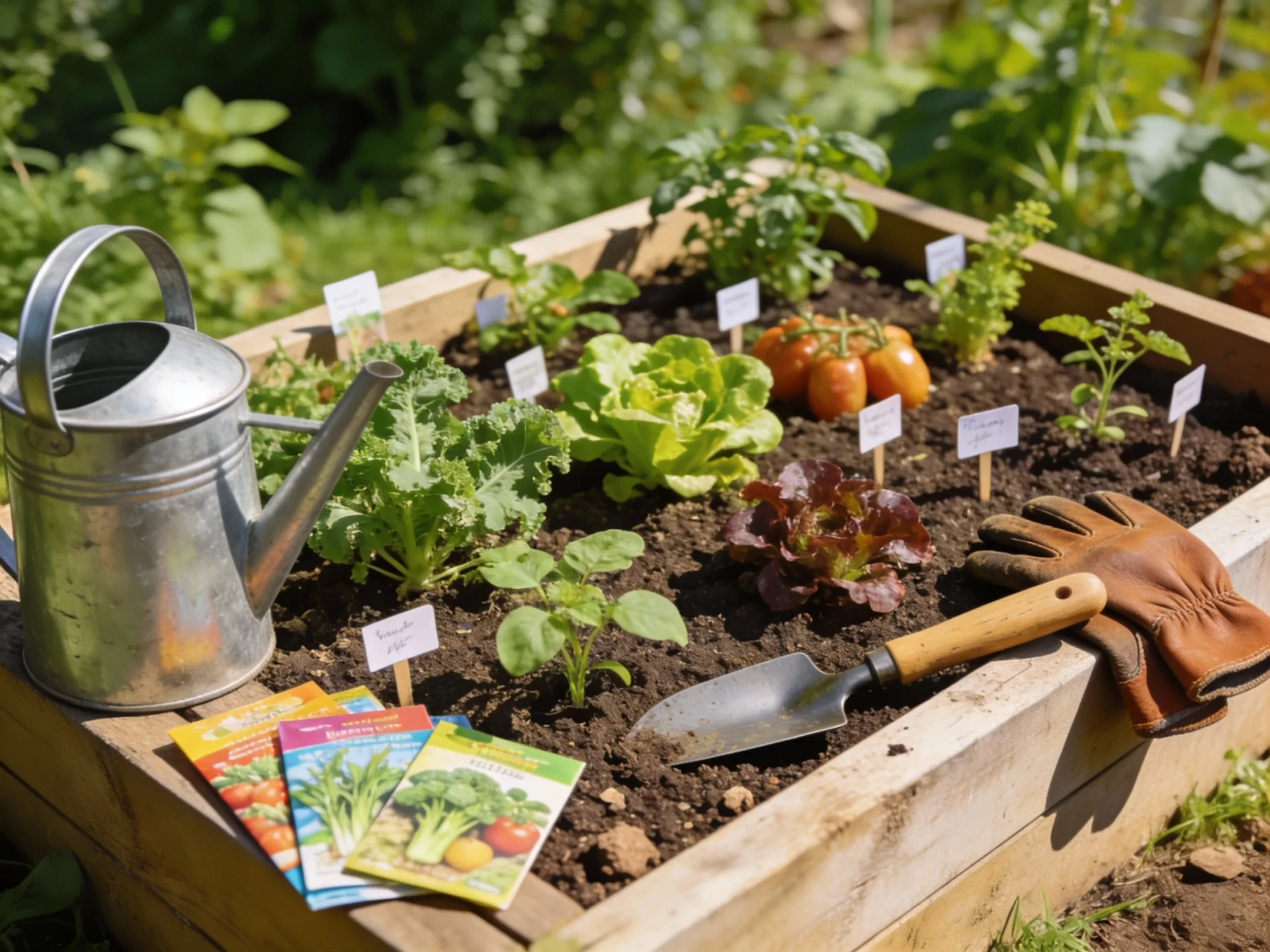
Gardening & Outdoor: Beginner's Blog Tutorial
You do not need a green thumb to start a garden; you need a few honest observations and a modest first season. This guide covers assessing your sun and soil, choosing forgiving first plants, building a watering habit that actually sticks, working with the seasons instead of against them, and setting things up so the garden asks less of you over time. It applies equally to a back garden, a shared courtyard, or three pots on a balcony.
Step 1: Watch the sun before you plant anything
The single biggest cause of first-year disappointment is putting sun-loving plants in shade and shade-lovers in full sun. So before buying a single plant, spend one clear day noting where the light falls: check the space in the morning, at midday, and late afternoon, and write down which spots get sun at each check. You will end up with a rough map of three zones:
- Full sun: six or more hours of direct light. Most vegetables, most Mediterranean-style herbs, and most flowering annuals want this.
- Partial sun or partial shade: three to six hours. Leafy greens, many herbs, and a wide range of ornamentals are happy here.
- Shade: under three hours. Ferns, many woodland-type foliage plants, and little else that you eat.
On a balcony, note wind as well as sun. A high balcony can be bright but so windy that pots dry out daily and tall plants snap; windbreaks and heavier pots help more than extra watering. Remember too that the light shifts across the year, so a corner that is bright in midsummer may be shaded in spring and autumn.
Step 2: Get to know your soil
In the ground, do the squeeze test: take a handful of moist soil and close your fist. If it forms a sticky sausage, you have clay: rich but heavy and slow to drain. If it will not hold together at all, it is sandy: quick to drain and quick to go hungry. Something crumbly in between is what gardeners call loam, and it is the easy mode.
Whatever you have, the answer is usually the same: add organic matter. A few centimetres of compost spread on top once or twice a year improves clay drainage and sandy water-holding alike, and the soil life does the mixing for you. There is no need to dig it in deeply.
In pots, skip garden soil entirely and buy potting compost, which is made to drain and hold water in a container. Make sure every pot has drainage holes; more container plants die from sitting in water than from thirst. Bigger pots are easier than small ones because they dry out slower, so when in doubt, size up.
Step 3: Choose forgiving first plants
Your first season is for learning, so stack the odds. Choose plants that are known to be easy in your climate, and let the local garden centre or a neighbour's thriving garden be your guide: what grows well two doors down will grow well for you. A few reliable categories for most temperate places:
- Herbs such as mint (in its own pot, it spreads), chives, and parsley. Frequent small harvests keep them productive.
- Fast salad crops like lettuce, rocket and radishes: sown directly, up in days, eaten within weeks. Nothing teaches faster.
- Tough flowering annuals such as calendula, nasturtiums and sunflowers, which germinate readily from seed and flower for months.
- One or two hardy perennials or shrubs suited to your zone, which return every year and give the space a backbone.
Read the label before the picture: the label tells you sun needs, final size and hardiness, and matching those to your sun map matters more than anything else. Start with five to ten plants, not fifty. A small bed you keep up with beats a big one that gets away from you by July, and you can expand next season with plants you now know succeed.
Step 4: Build a watering habit, not a watering panic
Most beginners water too little in dry spells and too often the rest of the time. The habits that work:
- Check before you water. Push a finger a few centimetres into the soil. Damp means wait; dry means water. This one test replaces most guesswork.
- Water deeply and less often in beds. A good soak once or twice a week pushes roots down; a daily sprinkle keeps them shallow and dependent.
- Water the soil, not the leaves, and do it in the morning or evening so less evaporates and foliage dries before nightfall.
- Expect pots to need more. Containers can need water daily in a hot week. Grouping pots together slows them down, and a saucer buys you a margin.
- Mulch bare soil with a layer of compost, bark or straw. It holds moisture, suppresses weeds, and feeds the soil as it breaks down.
Tie watering to an existing routine, such as while the coffee brews, and it becomes a two-minute check instead of a chore you dread and then binge.
Step 5: Work with the seasonal rhythm
Gardening runs on a loop, and knowing roughly where you are in it removes most of the stress. In broad strokes for temperate climates: early in the growing year you prepare soil, sow hardy things, and plant out once your area's last frost has passed; the local frost dates matter more than any calendar date in an article. High season is watering, harvesting, and removing spent flowers so plants keep producing. As growth winds down you plant spring bulbs, sow green manures or mulch bare beds, and tidy only lightly, since seed heads and leaf litter shelter useful insects through the cold months. The dormant season is for planning, tool care, and ordering seeds.
Two habits make the rhythm stick. First, keep simple notes: what you planted, where, when, and how it did. Next year's decisions get easier every season you record. Second, accept losses as tuition. Every gardener kills plants; the difference between a beginner and an old hand is mostly the number of dead plants they have learned from.
Step 6: Choose low maintenance on purpose
If you want a garden that asks little, design for it deliberately. Favour perennials and shrubs over annuals, since they return without replanting. Prefer drought-tolerant species once established, and group plants with similar water needs together so one watering pass serves the whole bed. Plant densely enough that the ground is covered, which crowds out most weeds. Keep the lawn small or let part of it grow longer. And resist the urge to add one of everything: repetition of a few proven plants looks calmer and is far easier to care for than a collection.
A low-maintenance garden is not a neglected one; it is one where the recurring work has been designed out in advance. An hour a week keeps a well-planned small garden going comfortably.
Where to go next
- Interior design: the same function-first planning, applied indoors.
- Home repairs: the basic toolkit there overlaps nicely with outdoor jobs.
- Smart home: timers and sensors that can take over the watering routine.
Stuck on a step, or unsure what will survive your particular corner of the world? Write to the desk and we will think along.
Comments
No comments yet. Be the first to share your thoughts.